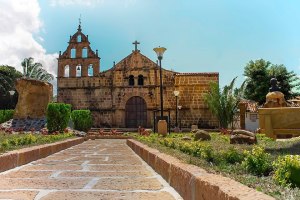
Croatia’s greatest pleasures are increasingly found beyond the headline destinations of Dubrovnik, Split and Hvar. In the country’s hilltop settlements, medieval fishing ports and stone-built market towns, centuries of Venetian, Austro-Hungarian and Roman influence remain woven into everyday life rather than preserved as museum pieces. Here, olive harvests, jazz festivals, family-run konobas and centuries-old churches still define the rhythm of the seasons. Better connected than ever by international airports at Split, Zadar, Pula and Dubrovnik, these smaller destinations offer travellers a richer encounter with Croatia’s cultural landscape without sacrificing comfort or accessibility.
Grožnjan, Istria

Perched high above the Mirna Valley in northern Istria, Grožnjan has transformed itself from a declining medieval hill town into Croatia’s unofficial artists’ village. Its narrow limestone streets are lined with independent galleries, artisan workshops and intimate concert venues that come alive during the celebrated Jazz Is Back! festival each summer. Venetian architecture dominates the townscape, with defensive walls and Renaissance palazzi recalling centuries under the Venetian Republic. The surrounding countryside is equally compelling, producing highly prized white truffles, olive oil and Malvasia wine. Travellers typically arrive via Pula Airport, around 90 minutes away by car, or from Trieste. Boutique stays such as San Canzian Hotel & Residences in nearby Buje or heritage guesthouses within Grožnjan itself make excellent bases for exploring Istria’s wine roads and hilltop villages.
Tribunj, Dalmatia

Just north-west of Šibenik, Tribunj remains one of the Dalmatian coast’s most graceful fishing settlements. Its oldest quarter occupies a tiny fortified island connected to the mainland by a 16th-century stone bridge, a reminder of the period when residents retreated behind defensive walls to escape Ottoman raids. Today, fishing boats still crowd the harbour alongside sailing yachts, while waterfront konobas specialise in octopus, Adriatic fish and local olive oil rather than tourist spectacle. Climb to the Church of St Nicholas for sweeping views across the Kornati archipelago before returning for an evening on the harbour promenade. Split and Zadar airports are each within roughly 90 minutes’ drive, while elegant accommodation includes the boutique Hotel Life Palace in nearby Šibenik or apartments overlooking Tribunj’s marina.
Novigrad, Zadar County

Not to be confused with Istria’s better-known namesake, Novigrad in northern Dalmatia occupies a remarkable position overlooking the tranquil inland sea of Karinsko More. Above the town rise the remains of a medieval fortress whose strategic importance once attracted Croatian kings, Venetian governors and Ottoman armies. The views encompass the dramatic Velebit mountains, the Zrmanja River canyon and one of Croatia’s least-visited stretches of coastline. Rather than beaches lined with resorts, visitors find quiet waterfront cafés, traditional stone houses and opportunities for kayaking into secluded coves. Zadar Airport lies around 30 minutes away, making Novigrad an easy addition to a Dalmatian itinerary. Small waterfront hotels and private heritage apartments provide comfortable accommodation without disturbing the town’s relaxed atmosphere.
Motovun, Istria
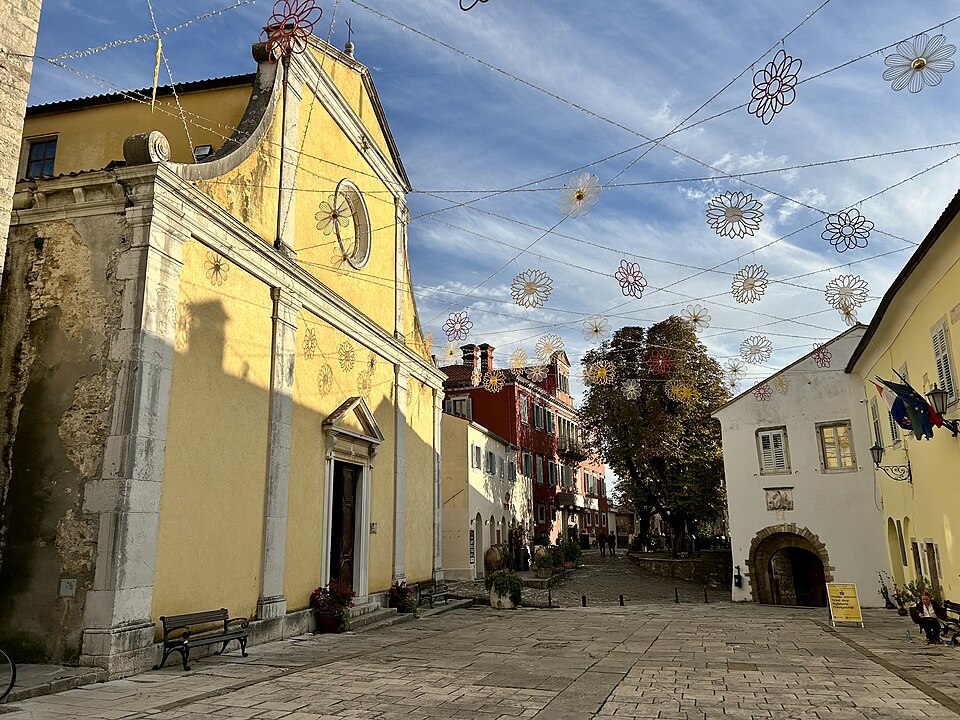
Encircled by perfectly preserved medieval walls, Motovun rises dramatically above forests famous for producing some of Europe’s finest white truffles. The town’s commanding hilltop position has attracted settlers since Celtic and Roman times, while Venetian rule endowed it with Gothic palaces, elegant loggias and impressive defensive ramparts. Walking the complete circuit of the walls reveals sweeping views over vineyards, olive groves and the Mirna Valley, particularly beautiful during autumn harvests. Motovun is also home to one of Croatia’s best-known film festivals, drawing international directors and cinephiles each summer. Pula Airport is approximately an hour’s drive away, while boutique accommodation ranges from Hotel Kaštel within the medieval walls to stylish countryside villas surrounded by vineyards. The town combines gastronomic prestige with genuine historical depth, making it one of inland Croatia’s finest cultural escapes.
Cavtat, Konavle region

Overshadowed by nearby Dubrovnik, Cavtat possesses much of its celebrated neighbour’s Adriatic elegance with a fraction of the crowds. Founded by the ancient Greeks as Epidaurum before flourishing under Roman rule, the harbour town later became an important maritime centre for the Republic of Ragusa. Palm-lined promenades curve around a sheltered bay framed by Renaissance villas, monasteries and pine-covered peninsulas. Highlights include the Mausoleum of the Račić family, designed by celebrated Croatian sculptor Ivan Meštrović, and the house museum of artist Vlaho Bukovac. Dubrovnik Airport is less than ten minutes away, making Cavtat one of Croatia’s easiest cultural escapes. Luxury stays such as Hotel Croatia and several boutique waterfront hotels provide a sophisticated base while allowing effortless day trips into Dubrovnik when desired.