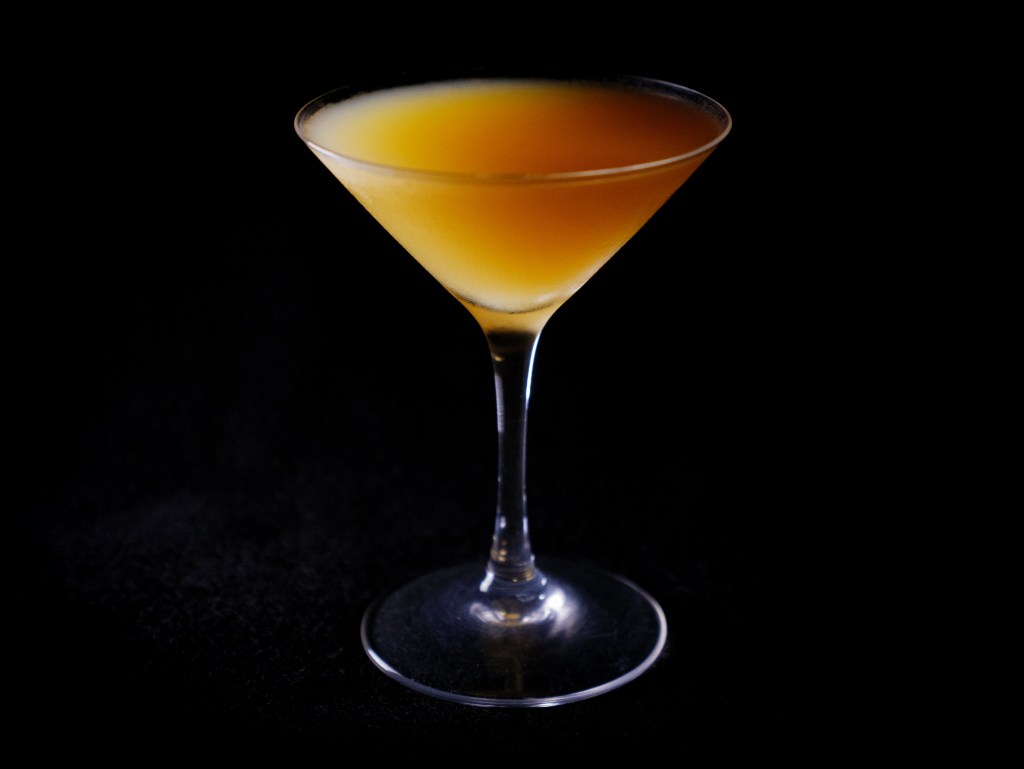
In the roaring 1920s, London’s elite sipped Diki Dikis in smoky, chandelier-lit clubs, charmed by the drink’s exotic name and its sharp, aromatic blend. Created by Belgian bartender Robert Vermeire at the Embassy Club in 1922, the Diki Diki was a symbol of the city’s cosmopolitan nightlife. Its recipe-a bracing mix of Calvados (apple brandy from Normandy), Swedish Punsch (a spiced, tea-infused liqueur), and fresh grapefruit juice-was as distinctive as its backstory.
Vermeire claimed the cocktail was named for the “chief monarch of the Island Ubian (Southern Philippines), who is now 37 years old, weighs 23 lb., and his height is 32 in.” Whether fact or playful fiction, the story added intrigue to a drink that quickly became a favorite among London’s American bar scene.
Yet as the decades rolled on, the Diki Diki faded from menus. Its unusual ingredients-especially Swedish Punsch-became rare, and the cocktail’s tart, uncompromising profile fell out of step with sweeter, more approachable trends. Today, the Diki Diki is a relic, its name unfamiliar to most, but it still lingers in the world’s most adventurous bars, waiting to be rediscovered by those in search of history in a glass.
Where to Find a Diki Diki Cocktail Around the World
London, the birthplace of the Diki Diki, remains one of the best places to seek it out. Nightjar, a revered speakeasy in Shoreditch, features the Diki Diki on its menu, blending Elephant Gin, Turkish apple infusion, Swedish Punsch, and fresh grapefruit for a modern twist that honors the original’s spirit. Not far away in Clapham Junction, Sugar Cane Tiki Bar offers the Diki Diki among its roster of classic tiki-inspired cocktails, served in a setting that channels the escapist glamour of the drink’s heyday.
Paris, too, has a soft spot for vintage cocktails. Dirty Dick, the city’s iconic tiki bar in Pigalle, is known for resurrecting forgotten classics, and while the Diki Diki isn’t always on the printed menu, the bartenders are well-versed in its lore and will often oblige a knowledgeable guest with a bespoke pour.
In Hong Kong, Wahtiki Island Lounge in Central is a shrine to authentic tiki culture, complete with a menu that celebrates Trader Vic’s legacy. While the Diki Diki isn’t listed as a house specialty, the bar’s deep knowledge of pre-tiki and tiki drinks makes it a strong candidate for a custom order-especially if you’re craving something off the beaten path.
Tokyo’s cocktail scene, famed for its reverence for classic mixology, offers several promising leads. Bars like High Five in Ginza and Bar Benfiddich in Shinjuku pride themselves on their mastery of historic recipes and bespoke service. While the Diki Diki may not be a menu staple, a skilled bartender at these establishments will likely know the drink and be able to craft it, provided Swedish Punsch is in stock.
Elsewhere, the Diki Diki’s presence is more elusive. In New York, the city’s tiki and craft cocktail bars occasionally feature it as a special or on request, but it’s not a mainstay. Mexico City’s top bars, such as Handshake Speakeasy and Baltra Bar, focus on local flavors and rarely stock Swedish Punsch, making a true Diki Diki a rare find.
The Diki Diki’s decline is a reminder that cocktail culture, like fashion, is cyclical. For those who seek it out, the reward is a sip of history: tart, aromatic, and utterly distinctive-a drink that tastes like a secret, waiting to be shared in the world’s most discerning bars.