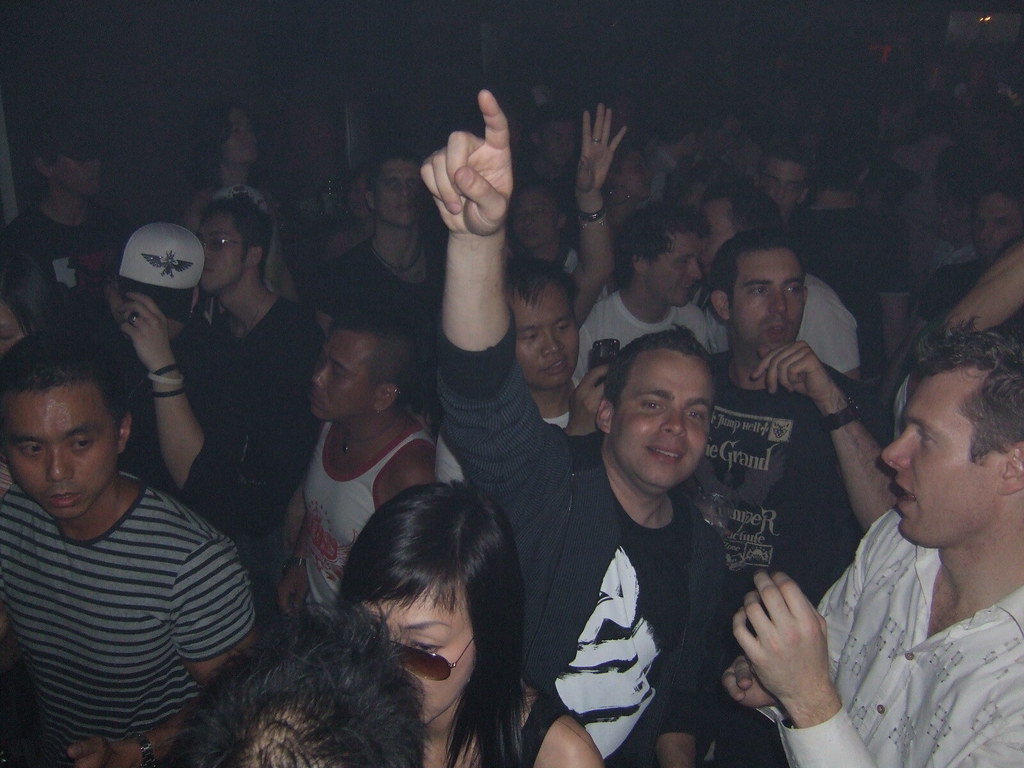
When The Aftermath opened its doors on Wyndham Street in 2018, it quickly became more than just another bar in Hong Kong’s bustling Central district. It was a rare independent venue dedicated to live music, comedy, and the arts—a place where aspiring bands could find a stage, and where the city’s creative community could gather, collaborate, and experiment. In a city where real estate pressures and regulatory hurdles have shuttered countless grassroots venues, The Aftermath stood out as a beacon for Hong Kong’s underground and alternative scenes.
A Venue Tested by Crisis
The Aftermath’s rise was rapid, but so were the challenges it faced. By early 2020, the venue had built a loyal following, hosting everything from indie rock festivals and hip-hop ciphers to jazz jams, cabarets, and experimental art shows. Its stage welcomed a diverse roster of local talent, including bands like Nowhere Boys, Prune Deer, and Luna is A BEP, as well as comedians, poets, and visual artists. The Aftermath’s founders, Alicia Beale and Kyle Haynes, envisioned it as an “oasis” for authentic cultural experiences in the heart of Soho—a place open to all voices, across languages and genres.
Then came the COVID-19 pandemic. Overnight, mandatory closures, social distancing, and a ban on live performances brought Hong Kong’s nightlife to a standstill. For The Aftermath, which operated as a private members club and received no government funding, the blow was existential. Scheduled events were cancelled, the stage fell silent, and the future looked bleak. “It just felt like the right one in terms of everyone’s safety and health,” Beale said of the difficult decision to close, but the financial reality was harsh.
With no lifeline from the government, survival meant improvisation. The Aftermath launched a series of crowdfunding campaigns, selling discounted drink coupons, merchandise, and even a live album featuring original music from ten Hong Kong-based bands recorded at the venue. They hosted online events, filmed a fringe festival, and took their Battle of the Bands playoffs digital, with bands submitting performances for virtual judging and audience votes. Community support was crucial: as Beale put it, “A lot of our Aftermath community have come back, and there are more who are itching to come back but are perhaps just waiting for the right time.”
As restrictions eased, The Aftermath adapted again. The usual standing-room-only gigs gave way to seated events with tables spaced 1.5 metres apart, and the programming pivoted toward comedy nights, DJ sets, quizzes, and art exhibitions. Health checks, sanitiser, and new layouts became the norm. The venue also introduced creative initiatives like sustainable clothes swaps and continued to champion local talent through art shows and live music recordings, keeping the spirit of collaboration alive even when full-capacity crowds were impossible.
Recovery and Renewal: The Aftermath’s Enduring Role
By 2024, The Aftermath’s perseverance had paid off. The venue had weathered the city’s toughest years, thanks to a blend of adaptability, community engagement, and relentless optimism. It continued to serve as a launchpad for Hong Kong’s emerging artists and a gathering place for the city’s creative tribes. Recent months have seen the return of live music, with bands and DJs once again filling the space with energy. Art exhibitions, such as digital artist Gaby Teresa’s “Food Party,” have brought new audiences through the doors, while regular comedy nights like “LaughterLaughs” showcase the city’s growing stand-up scene.
The Aftermath’s survival is a testament to the power of grassroots support and the resilience of Hong Kong’s arts community. It remains an essential venue for those who believe in the importance of independent culture—a place where, as Beale says, “all of Hong Kong can express their voice through music, visual arts, comedy, and theatre.” In a city still grappling with uncertainty, The Aftermath stands as a reminder that creativity, community, and determination can outlast even the toughest challenges. Its story is not just one of survival, but of ongoing renewal—proof that Hong Kong’s cultural heart still beats strong, one gig at a time.