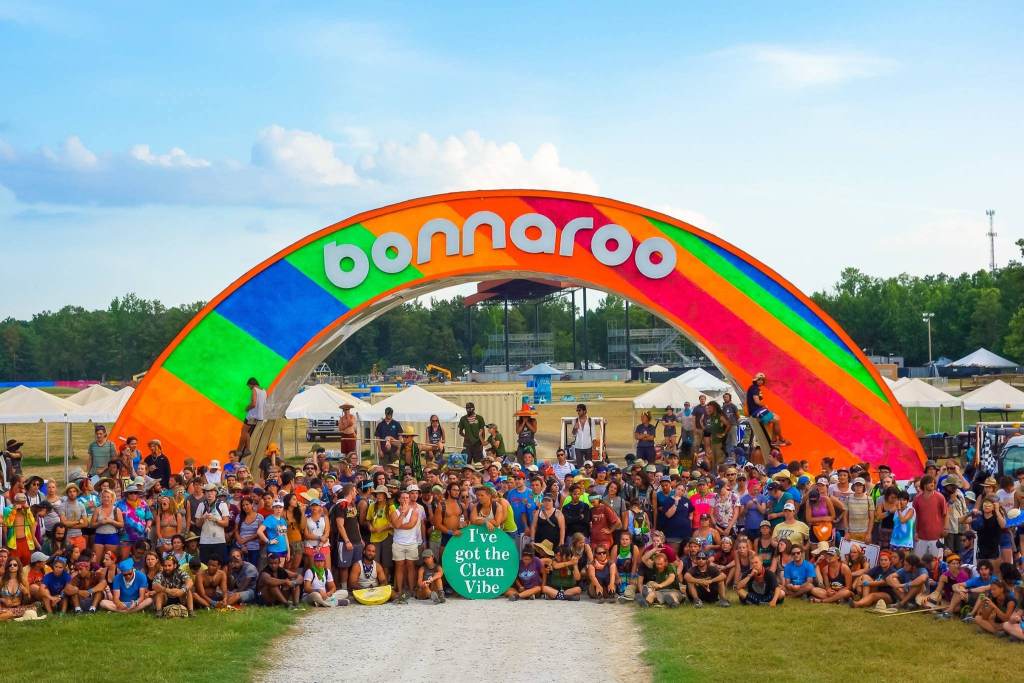
Since its inception in 2002, Bonnaroo Music & Arts Festival has evolved into a living microcosm of American cultural pluralism. Held annually on a 700-acre farm in Manchester, Tennessee, the festival is not just a musical gathering but a sprawling, four-day experiment in community, diversity, and creative expression. Its enduring appeal lies less in escapism and more in its ability to mirror the contradictions, ambitions, and collaborative spirit of the United States itself.
Bonnaroo’s programming is a deliberate exercise in genre fluidity. The 2025 lineup, featuring country star Luke Combs, hip hop innovator Tyler, the Creator, pop sensation Olivia Rodrigo, and Irish singer-songwriter Hozier, is emblematic of the festival’s refusal to be defined by a single sound or demographic.
The inclusion of legacy acts like Queens of the Stone Age, Nelly, and Megadeth alongside contemporary favorites such as Glorilla and Justice is not just a nod to musical diversity but a recognition of the layered, overlapping tastes that define American audiences.
The festival’s physical and social architecture reinforces this ethos. Centeroo, the festival’s central hub, is a round-the-clock convergence of stages, art installations, food vendors, and communal spaces.
Here, the boundaries between performer and audience, genre and subculture, are intentionally porous. The camping grounds, where tens of thousands live side by side, foster a temporary society that values cooperation, improvisation, and mutual respect—qualities often aspired to in the broader American context but rarely achieved at such scale.
Americana tapestry
Bonnaroo’s history is punctuated by performances that have become touchstones in American live music: Paul McCartney’s 2013 headline set, Bruce Springsteen’s 2009 collaboration with Phish, Florence + the Machine’s rain-soaked 2015 appearance, and the genre-blurring “SuperJam” sessions that have brought together artists from disparate backgrounds.
These moments are not just entertainment—they’re acts of cultural synthesis, reflecting the American tradition of innovation through collaboration.
The festival’s influence extends beyond its stages. Bonnaroo has become an economic engine for Tennessee, generating millions annually and supporting local businesses.
Its sustainability initiatives—ranging from composting and solar power to community outreach—demonstrate a commitment to environmental stewardship that resonates with contemporary American values.
Celebrities and artists, from Snoop Dogg to Jack White, are drawn not by exclusivity but by the festival’s egalitarian spirit. The absence of rigid VIP barriers and the presence of artists among the crowds reinforce the idea of shared experience—a democratic ideal at the heart of the American narrative.
In its best moments, Bonnaroo is not just a festival but a reflection of American society at its most open, experimental, and inclusive. It is a space where boundaries blur, genres mix, and a temporary community forms around the shared pursuit of joy, discovery, and collective expression.
In an era often marked by division, Bonnaroo stands as a testament to the enduring power of pluralism and the possibilities of coming together—if only for a long weekend on the farm.