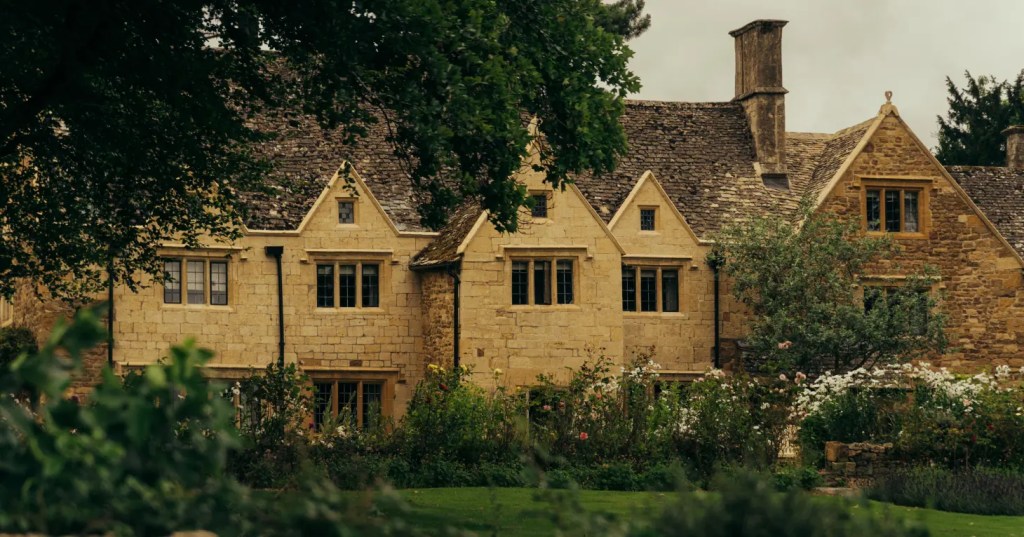
The Grade I-listed property is notable not only for its architecture and gardens, but for its strong personal connection to Eliot, widely regarded as one of the most influential poets of the 20th century. Eliot stayed at Court House Manor throughout the 1930s and early 1940s, and it became a place of reflection and retreat during a formative period in his career.
T.S. Eliot was a defining figure in modernist literature, best known for works such as The Waste Land, Four Quartets, and The Love Song of J. Alfred Prufrock. His poetry explored themes of spiritual desolation, time, and memory, and had a profound influence on both British and American literature. He was awarded the Nobel Prize in Literature in 1948 for his outstanding, pioneering contribution to poetry.
Court House Manor, set in the historic village of Painswick, offered Eliot privacy and tranquillity during a time of personal change and creative renewal. He first visited in the early 1930s and returned regularly, often staying for extended periods. His time there overlapped with the development of Four Quartets, a series of poems reflecting on time, history, and spiritual insight — themes shaped, in part, by his experiences in rural England.
The newly opened hotel aims to honour this literary heritage while providing guests with a luxury experience. The renovation preserves key architectural features, including period interiors, fireplaces, and stonework, while introducing modern comfort and hospitality. Surrounded by landscaped gardens and views of the Slad Valley, the property combines historic atmosphere with contemporary service.
The hotel includes individually designed rooms, dining areas, and spaces for private events and retreats. While the refurbishment updates the property for today’s travellers, references to Eliot’s legacy and the house’s cultural importance remain central to the guest experience.
Painswick itself is often called the “Queen of the Cotswolds,” known for its historic buildings, rolling hills, and traditional English charm. With the reopening of Court House Manor, the village gains a renewed point of interest for both literary visitors and those seeking a refined countryside escape.
For admirers of T.S. Eliot, the manor offers more than accommodation — it’s a chance to connect with the landscape and setting that influenced one of the major poetic voices of the modern era. For the wider public, it’s a rare example of literary history integrated into a luxury hotel offering.