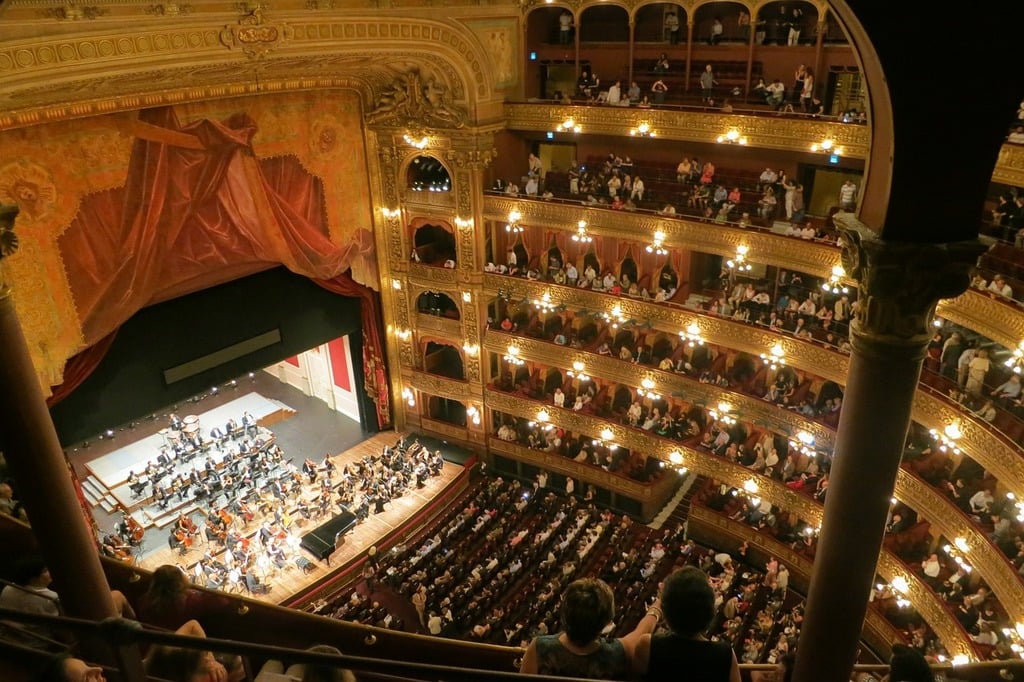
In an age when opera houses are embracing modernity through relaxed dress codes, pop crossovers, and social media visibility, Milan’s Teatro alla Scala is charting a different course. The institution is reintroducing the rigor and formality of a bygone era with a newly revived black-tie series that prioritizes discretion, tradition, and elegance.
While the December 7 season opening remains the most publicized night in La Scala’s calendar, this new revival series is arguably more exclusive. These evenings are by invitation only, rarely advertised, and reserved for a tightly curated audience. Attire is strictly enforced. No cocktail dresses, no velvet smoking jackets passed off as tuxedos, and no exceptions. Mobile phones are off and out of sight. The event begins long before the overture, with private aperitivi and continues after the curtain falls with formal dinners often held in historic palazzi or private cultural clubs.
The intention behind this revival, which began quietly in 2023, is to recreate the golden age of opera-going in Italy, when attending La Scala was both a civic ritual and a mark of social standing. The productions favor canonical works by Verdi, Bellini, and Rossini, using period staging and costume design in place of contemporary abstraction. The conductors and performers are drawn from a tight circle of La Scala veterans. Tickets, on the rare occasions they are offered to the public, start at over 3,000 euros per seat.
The audience, in many ways, is part of the performance. Guests include members of European aristocracy, retired heads of state, and a small circle of collectors and patrons from across Zurich, Paris, and London. For those in attendance, the evening is not just about the music. It is about ceremony, precision, and belonging to a cultural tradition that resists dilution.
For many of these attendees, the rules themselves are part of the appeal. One guest described it as calming to be in a space where everyone understands the protocol without needing to be told. Others view it as a rare refuge from the noise of contemporary cultural life.
This return to formality also aligns with a broader shift in Milan’s elite circles. Luxury brands are reembracing private fashion salons. Small, invitation-only gatherings are replacing the sprawling public spectacles that once dominated the city’s cultural calendar. Across fashion, art, and now opera, there is a renewed appetite for experiences rooted in heritage, privacy, and codes of conduct.
Teatro alla Scala’s black-tie revival is not designed for mass attention. It is not part of a marketing campaign or a push for new audiences. It is a reminder that true exclusivity does not shout. It does not post. It simply exists, quietly observed by those who know how to look for it.